Climate Smart: Food
Back to Climate Smart Home
Plan meals to reduce waste
- What to do: Plan your menu and prepare a shopping list. Check your pantry to see what you have and what you’ll need to prepare dishes. Check expiration dates and use up older items first. Buy only what you need. Purchase food items in bulk to reduce the amount of packaging.
- Why? Approximately 97,000 tons of food scraps are disposed of in the trash in the County annually. That’s a lot of energy, water, and land wasted to grow, package, and transport unused food.
- Bonus Tip: Reduce waste and save even more by bringing your own reusable bag when you shop.
Buy local & seasonal foods
- What to do: Buy locally produced foods, and choose fruits and vegetables that are in season.
- Why? Food transportation accounts for about 20% of the carbon pollution in our food system. Support our local economy instead and get fresher produce.
- Bonus Tip: Montgomery County Farmers Markets accept SNAP.
Compost food scraps
Ready for Bigger Change?
- Shift to a more plant-rich diet. Eat more plant-based meals and reduce meat consumption to cut emissions from livestock and land use. A plant-based diet also lowers the risk of heart disease, diabetes, and certain cancers, while boosting fiber and nutrients. Shopping at a local farmers market (PDF) can help make this shift more affordable and sustainable.
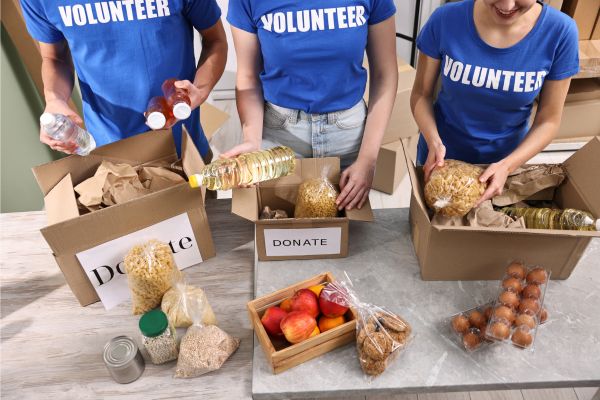
- Participate in food rescue efforts by volunteering or donating. Support food security in your community by volunteering with or donating to local food-giving organizations. Your time or contribution helps provide nutritious meals to neighbors in need and strengthens our local food system.